
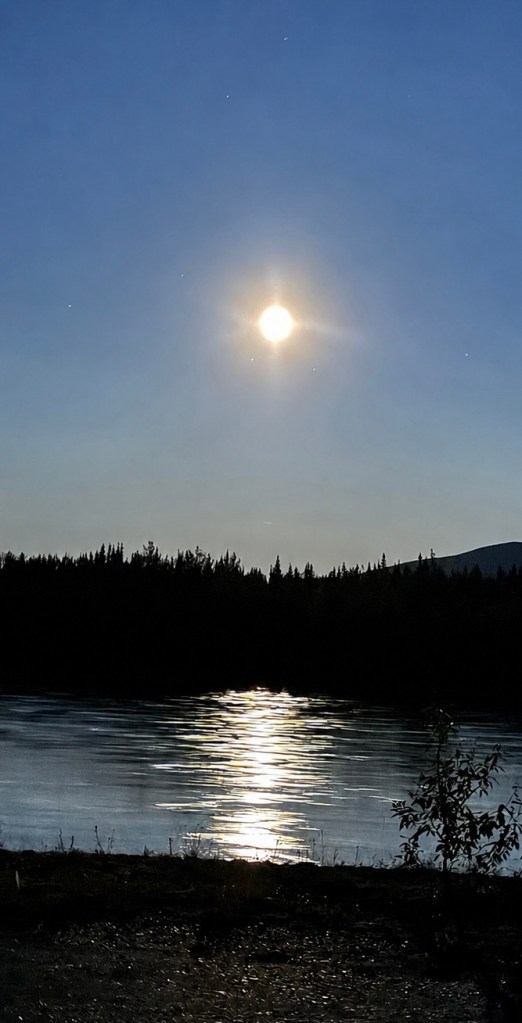
We woke to a super sunny, crisp day on the airstrip – by the river. First, I want to share last night’s moon with you. It was so spectacular as it reflected off the Stewart River. You could see it from the ‘bedroom’ window all night.
We didn’t have far to drive today, about 130 km, as we were going only as far as Dawson City. There were some rough patches on the Klondike Highway, and when you see a sign that says slow with the symbol for a bump in the road, you do it! There are bumps, yes, but there are also dips in the road, and if you go too fast, you’re likely to catch air…
Don’t ask me how I know (I was the passenger)
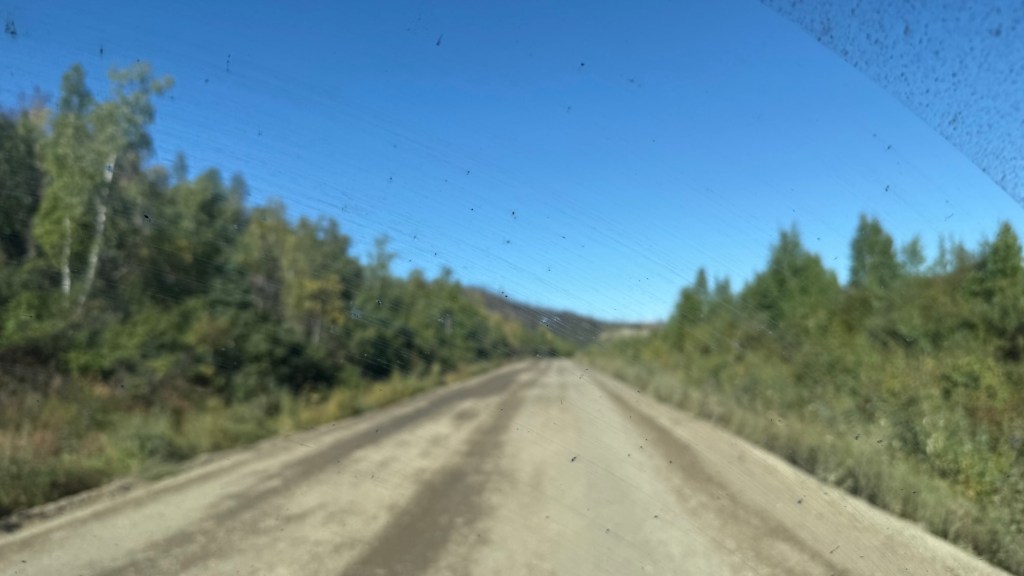
We also got to experience the first of our dirt highways. It had rained earlier, so some areas were a little wet. And the mud does indeed resemble clay when it’s on your vehicle. We’re ready for it! There will be more starting tomorrow.
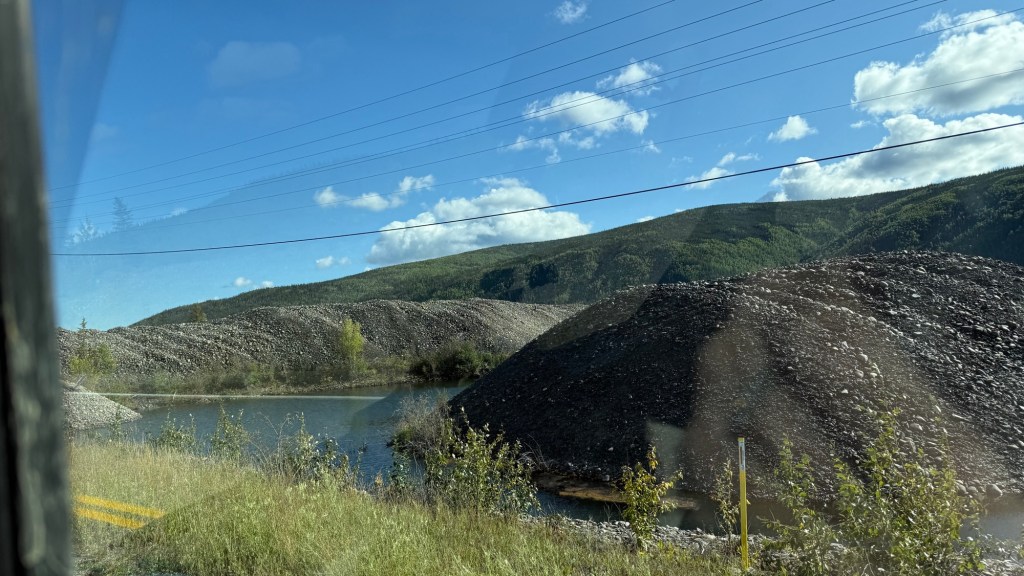
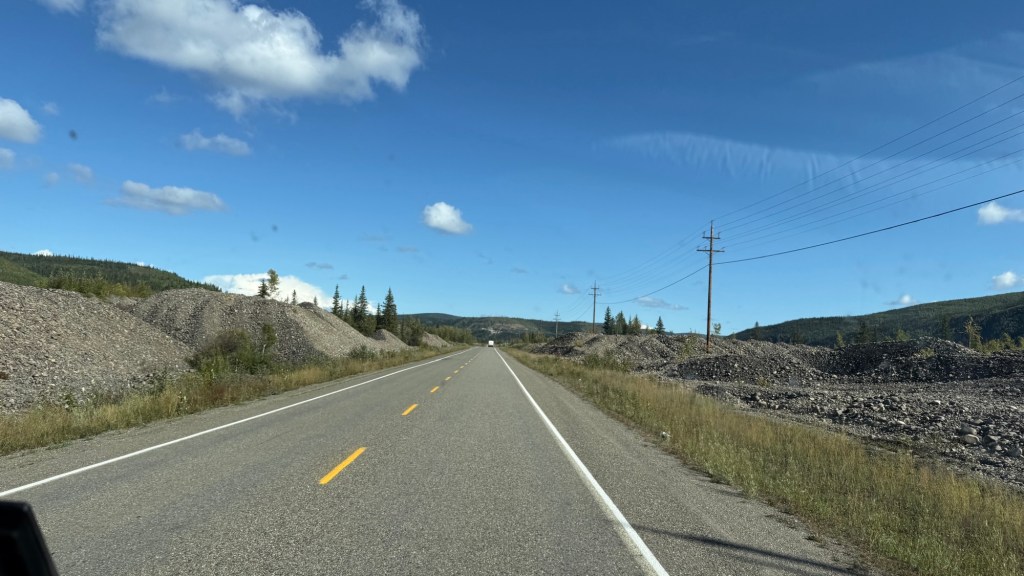
As you drive past the Dawson Airport, and into Dawson City, there are massive mounds and mounds of rock on the sides of the highway. This is what I learned.
These massive mounds of rock are dredge tailings, which are the leftover gravel piles from industrial gold mining in the 20th century. Massive floating machines called gold dredges scooped up the valley floor, filtered out the precious gold, and stacked the discarded rocks behind them. These long, snaking ridges now serve as a permanent, historic reminder of the Klondike Gold Rush.
Dawson City. What a great little place to visit. They have spent a great deal of time, effort, and, of course, expense to preserve this amazing piece of history.
Dawson City is famous for being the booming epicenter of the 1898 Klondike Gold Rush. Many of the core features are preserved: Klondike-era wooden boardwalks and false-front buildings. I took too many photos to share here, but here are a few of our faves.
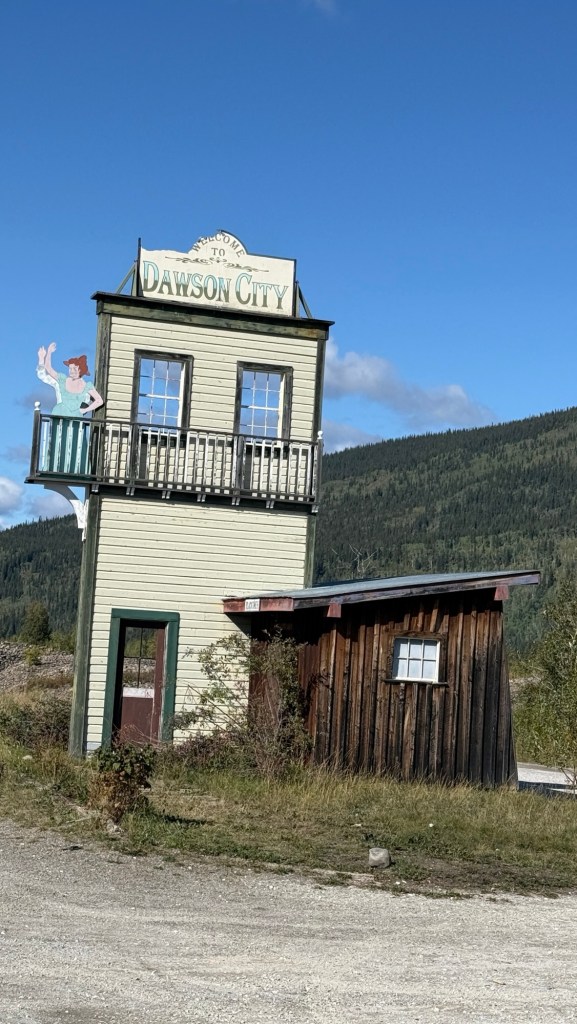
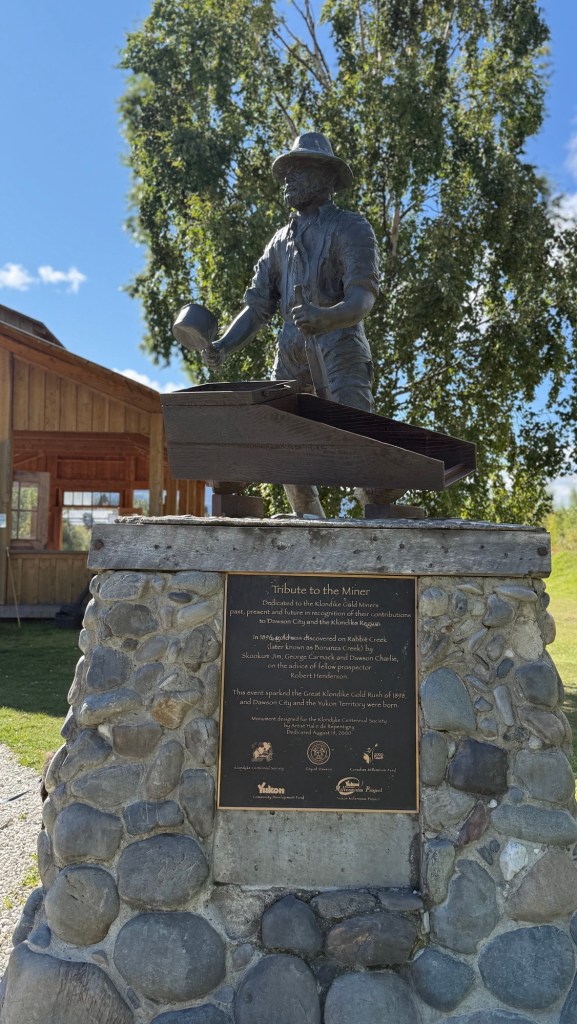
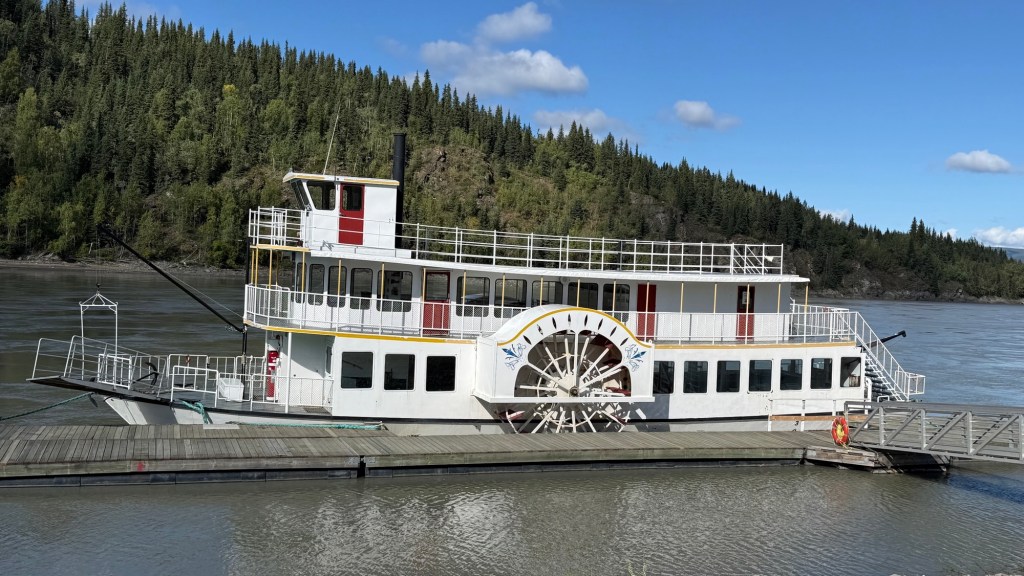
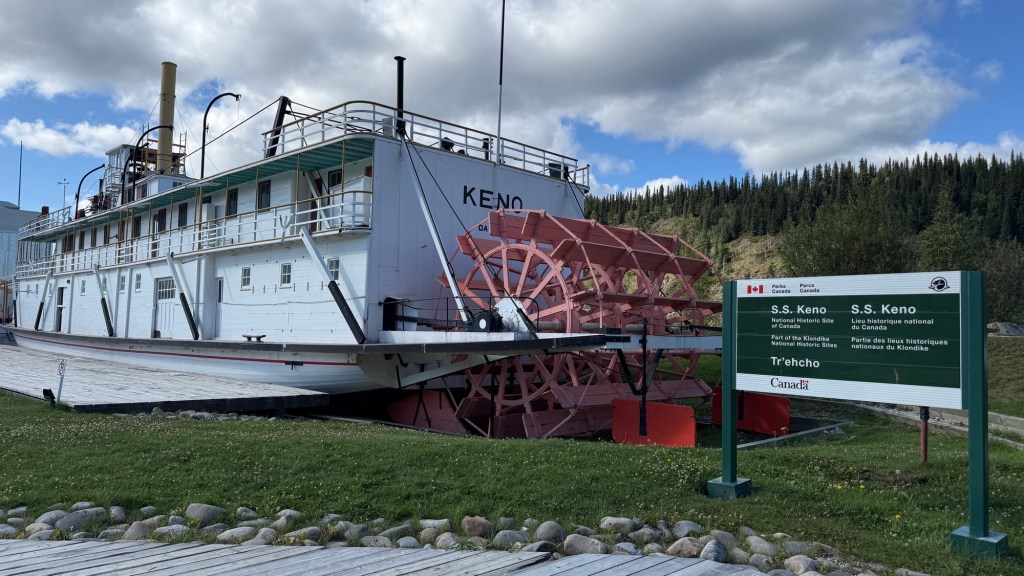
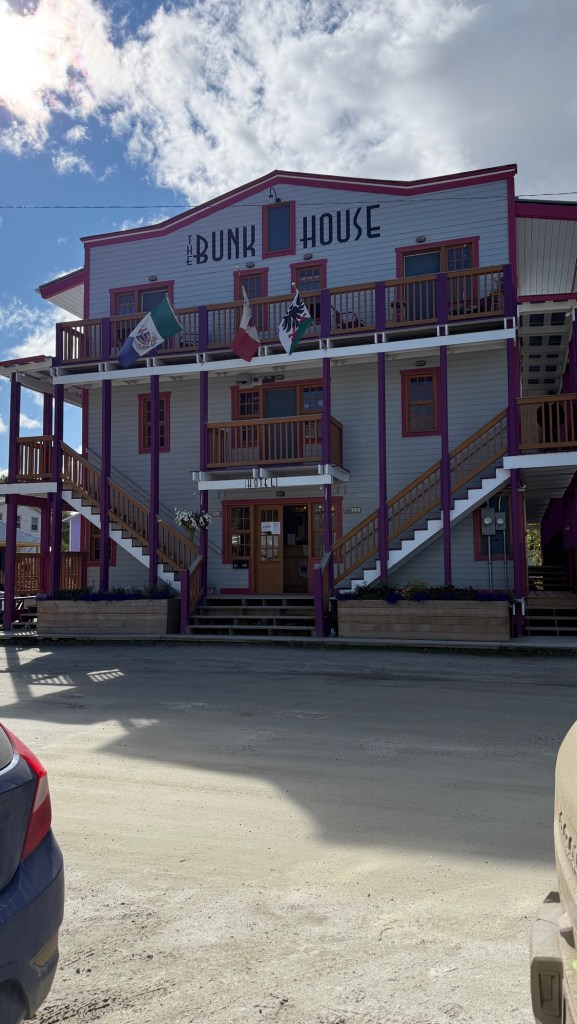
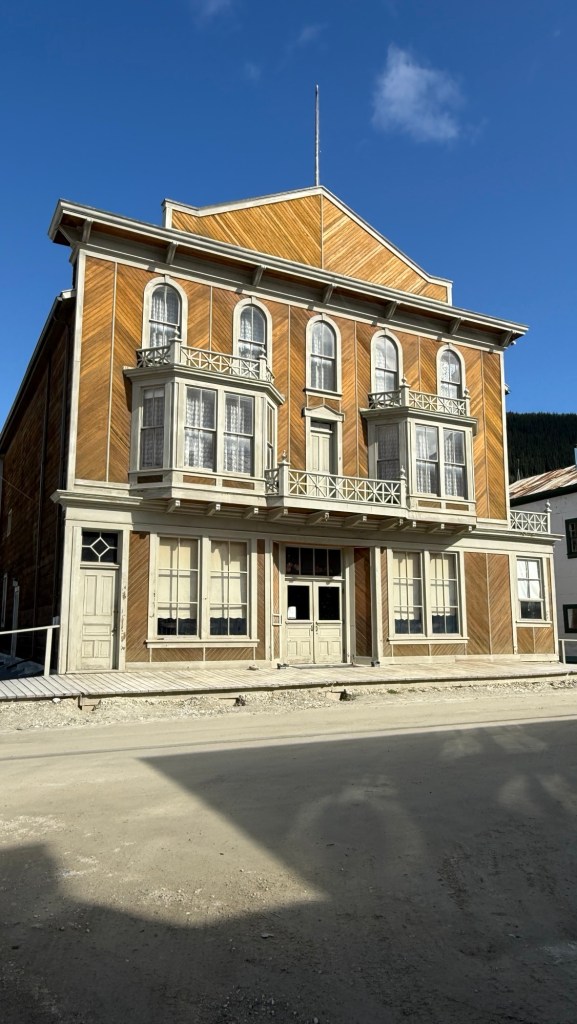
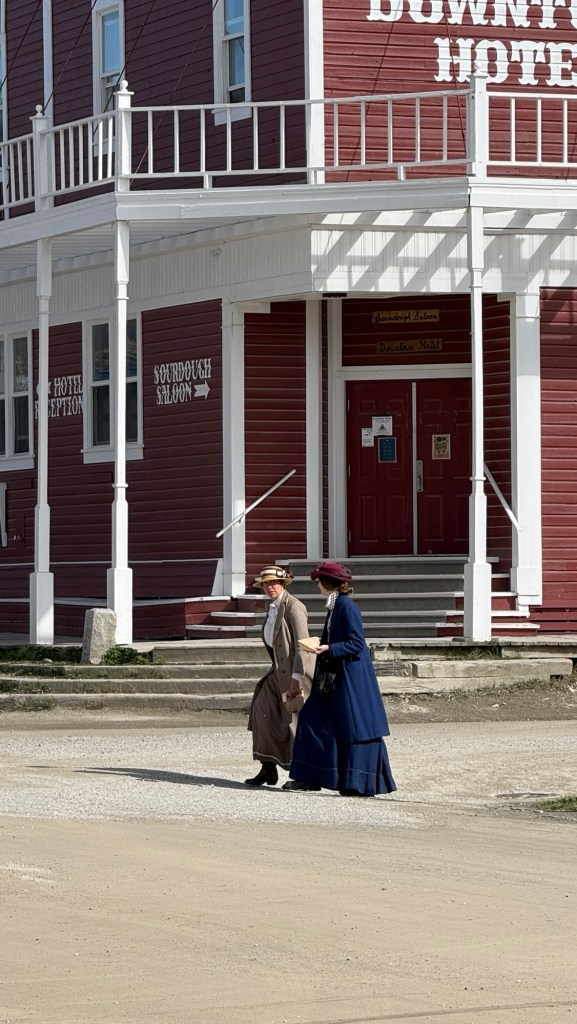
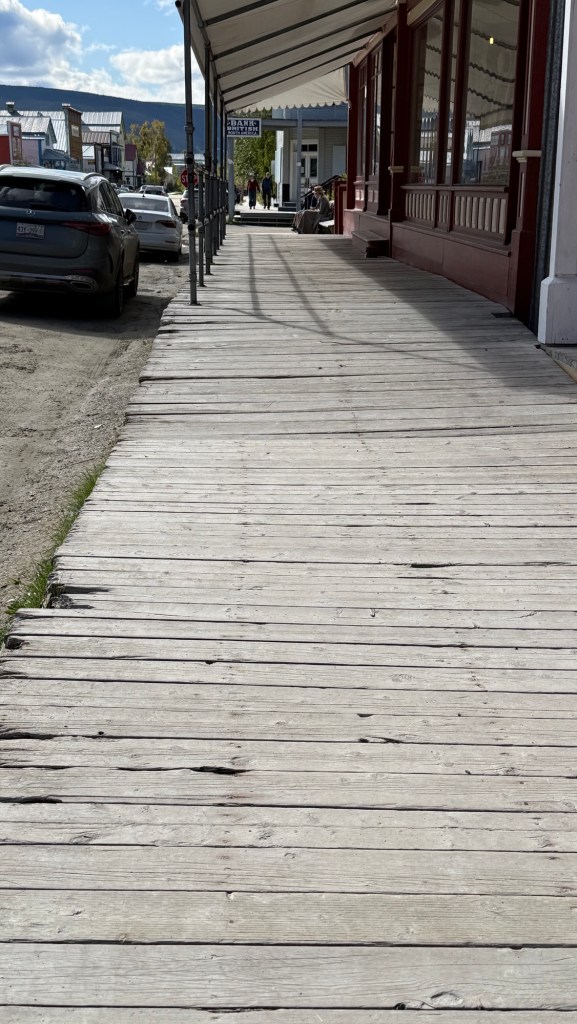
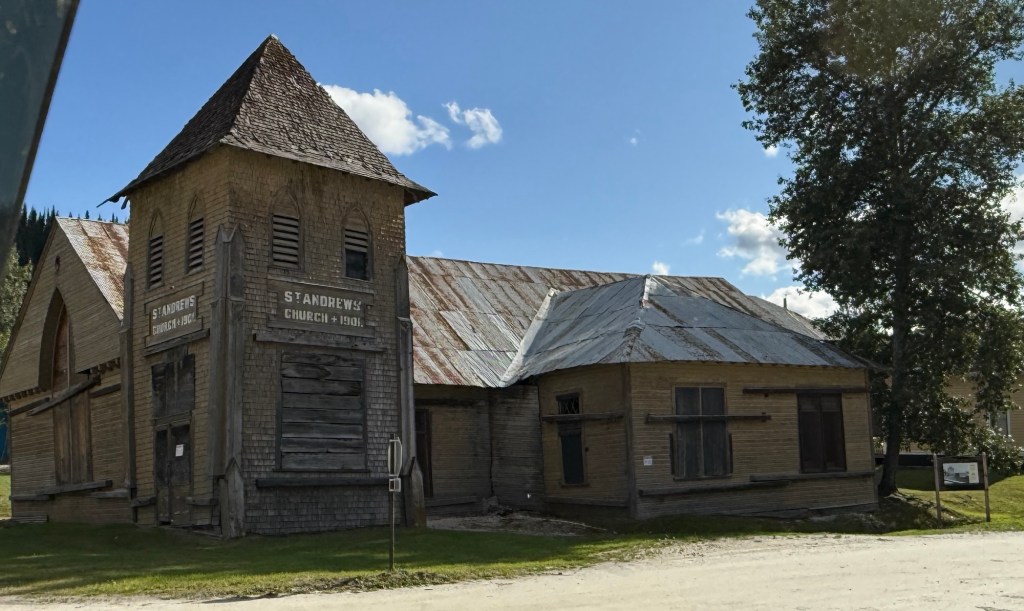
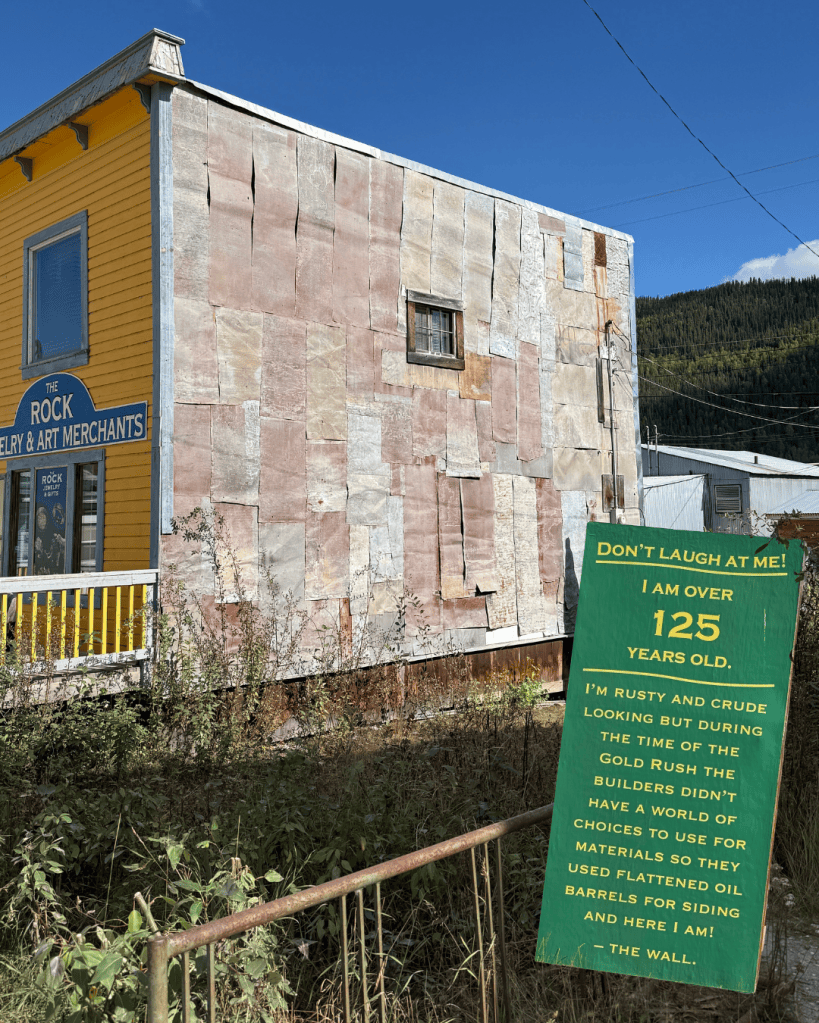
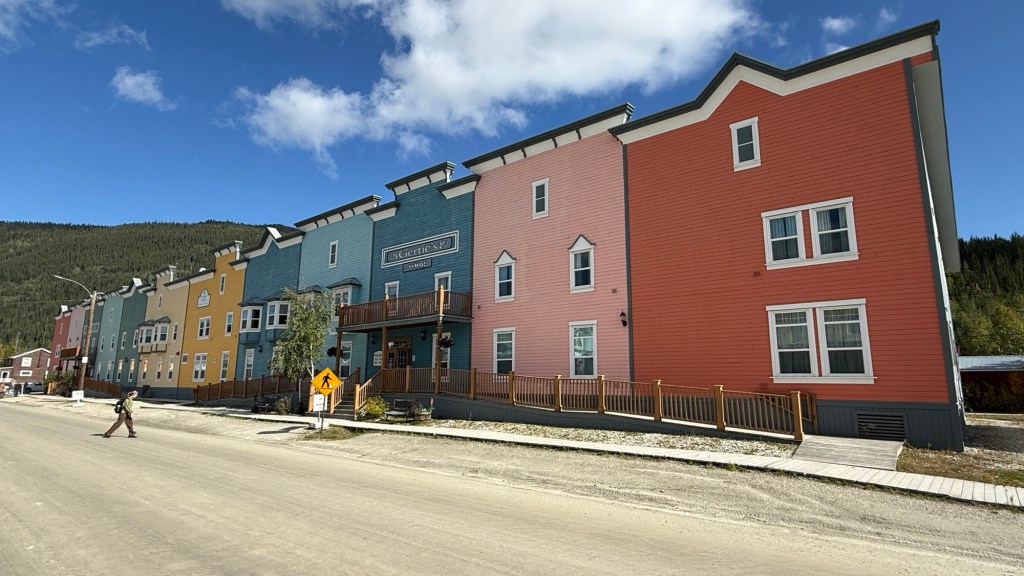
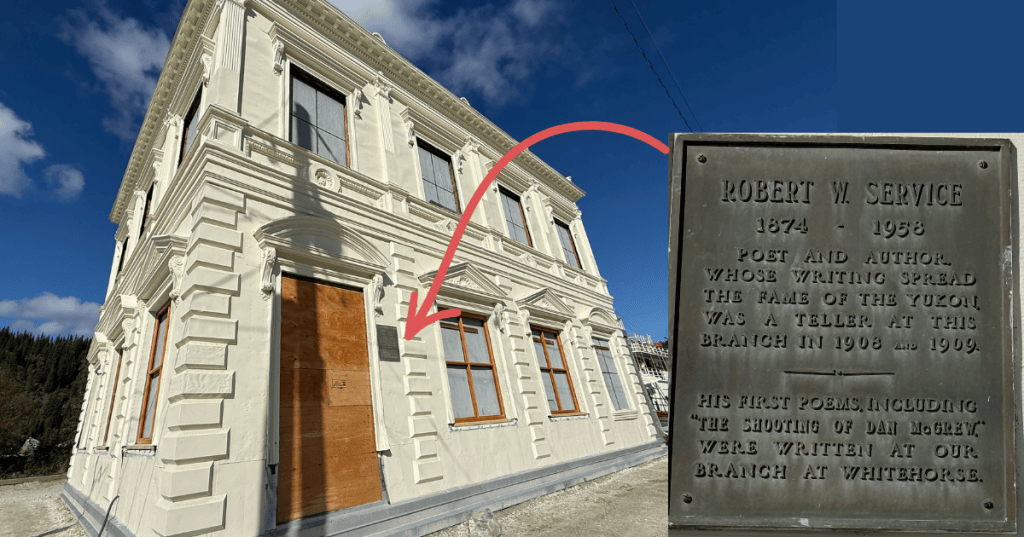
If you’re inclined to learn more about Dawson City, have a read here – https://explorenorth.com/yukon/dawson-history.html
Tomorrow we embark on the Dempster Highway.. We’re ready!
There has been too much water for the Peel Ferry to be running, so many have abandoned their efforts to get to Tuk. It’ll likely subside; it always does. Sometimes in a day or two, or sometimes 7 or 8 days. We won’t be there for a few days, so we’ll see how things are when we get there.
This evening at camp I made a friend. It was a crisp, stunningly beautiful day.
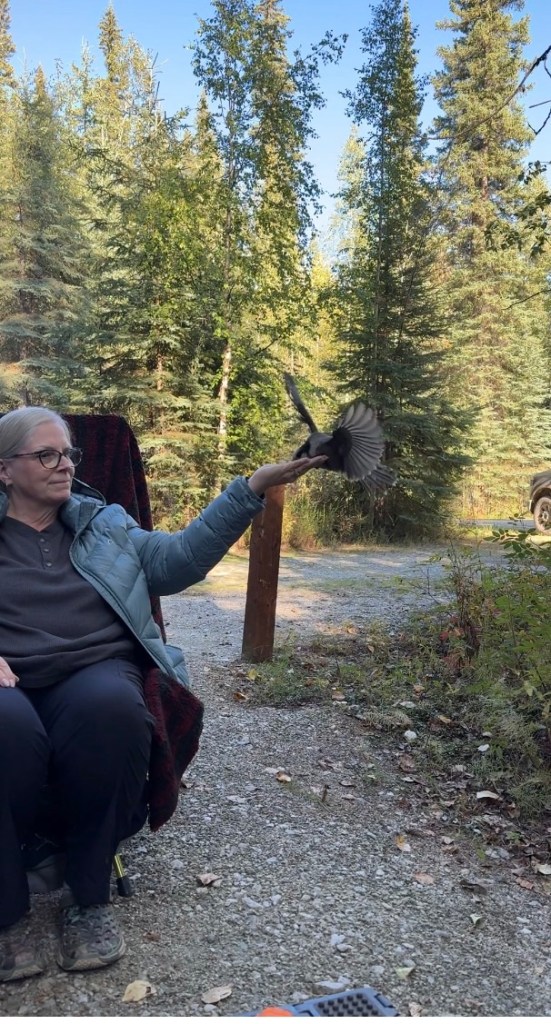
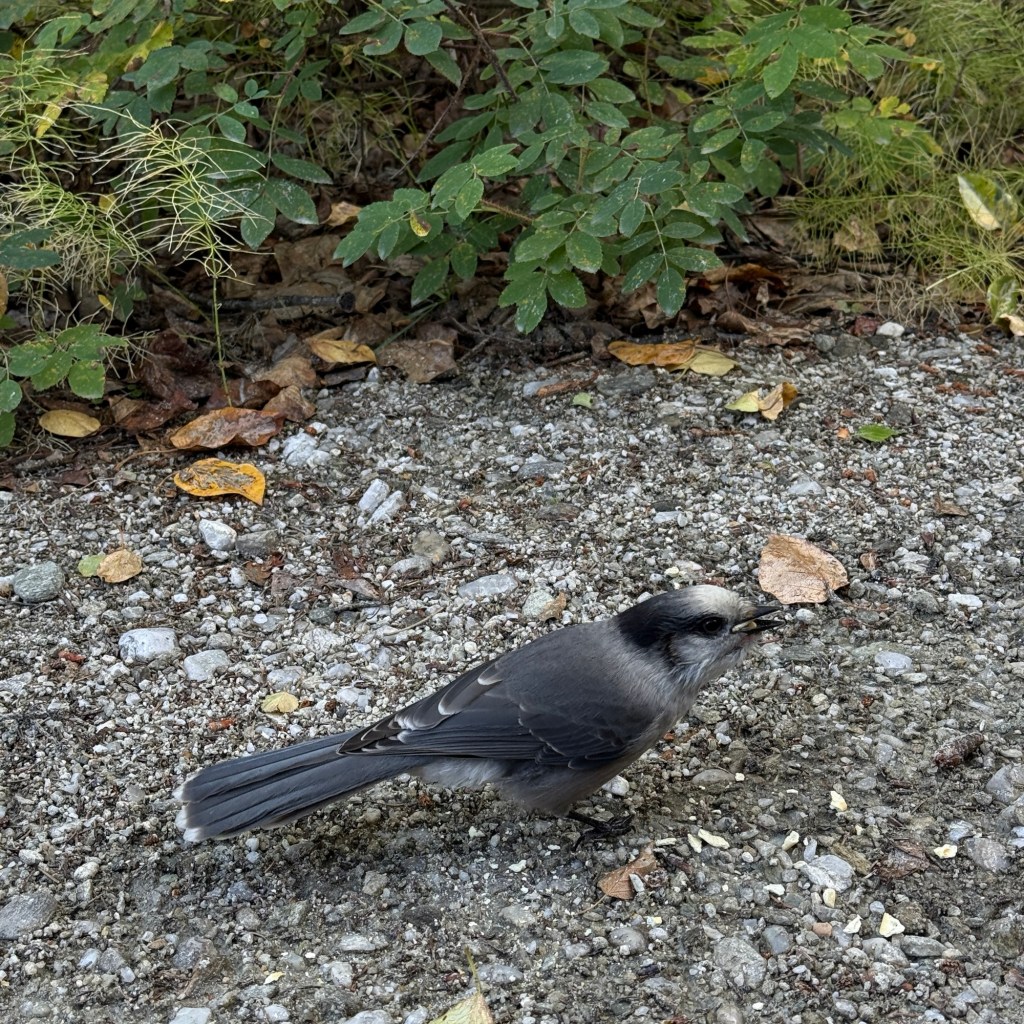
Oh, and there are very few bugs here 🙂


Leave a Reply